
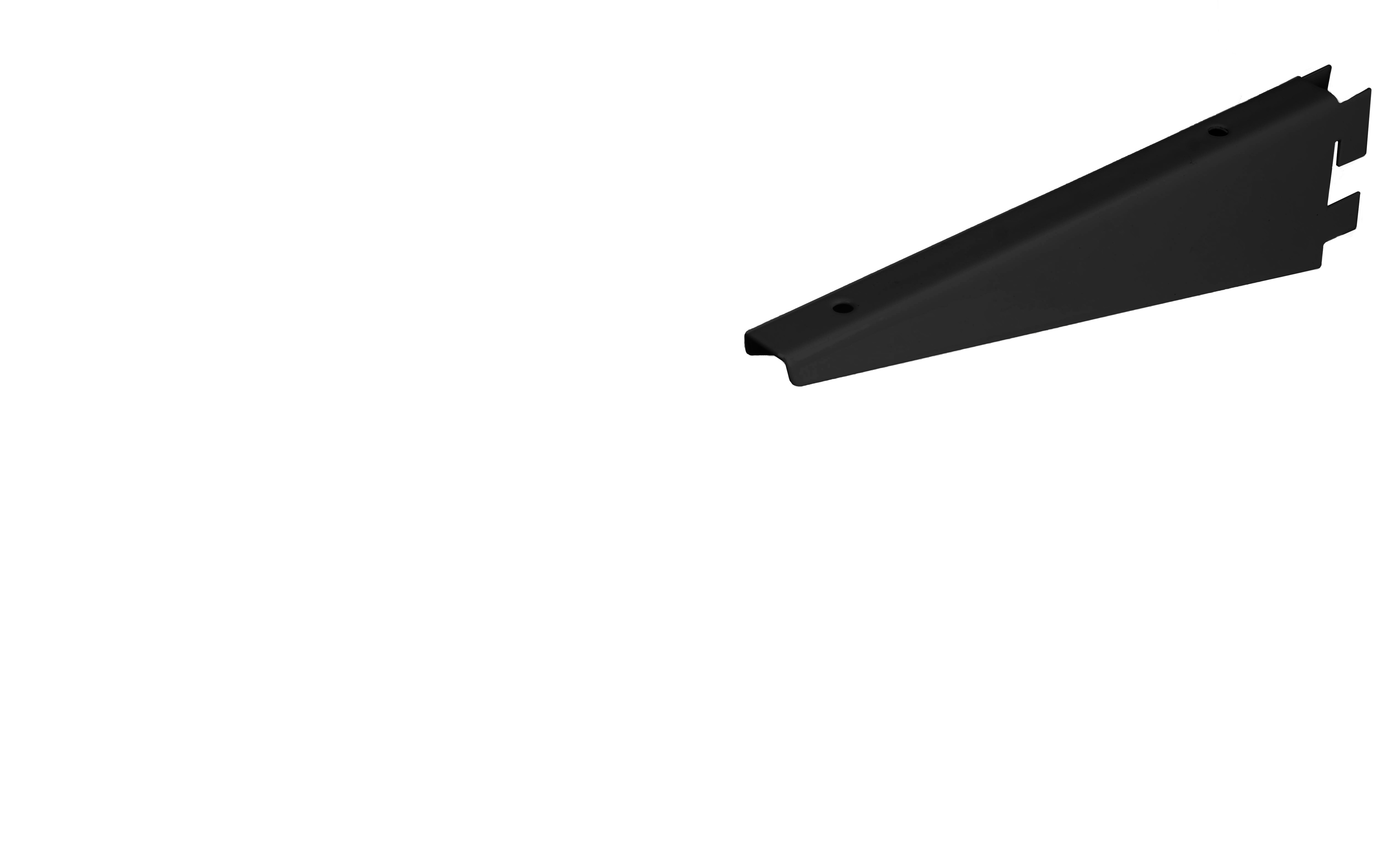
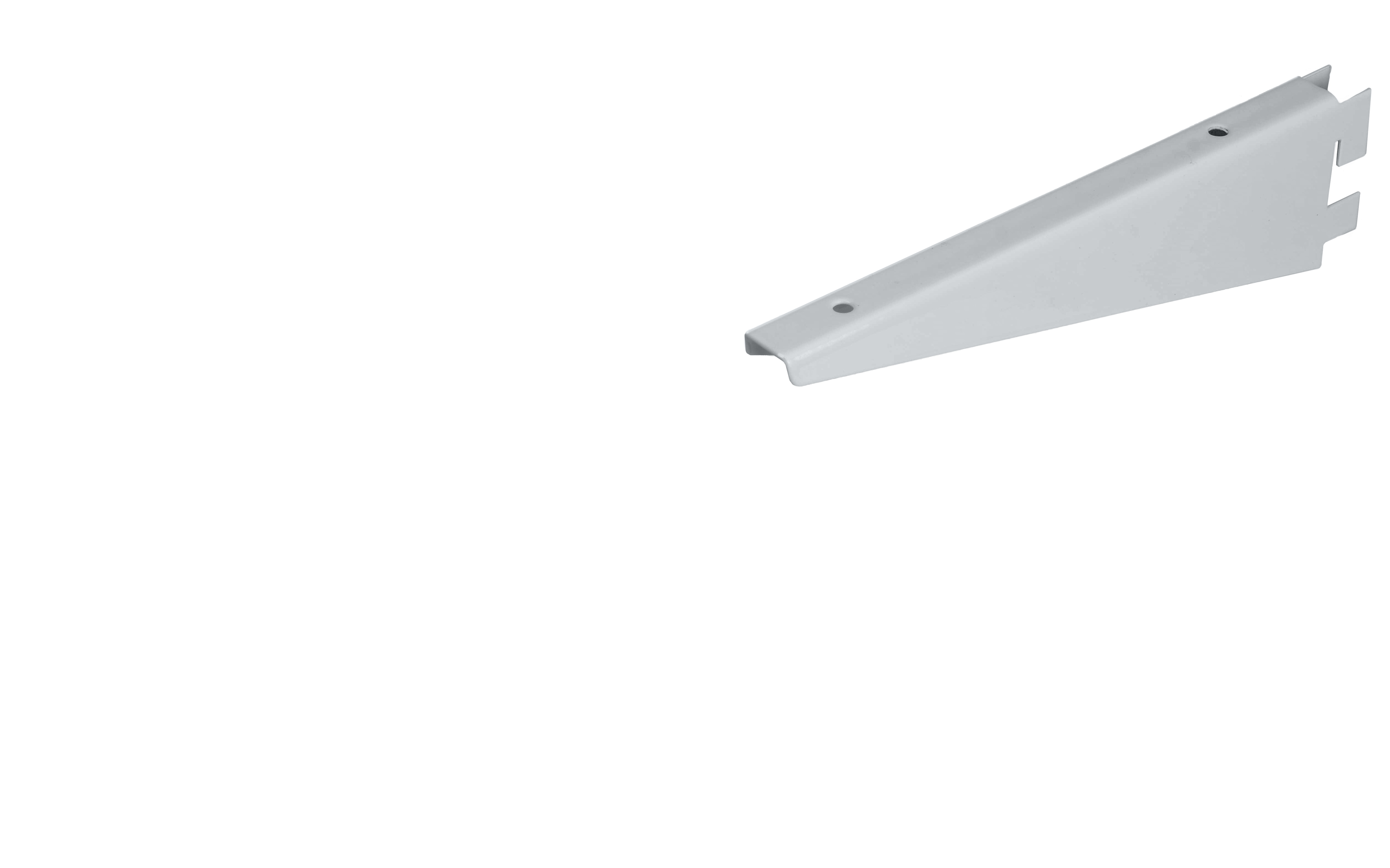
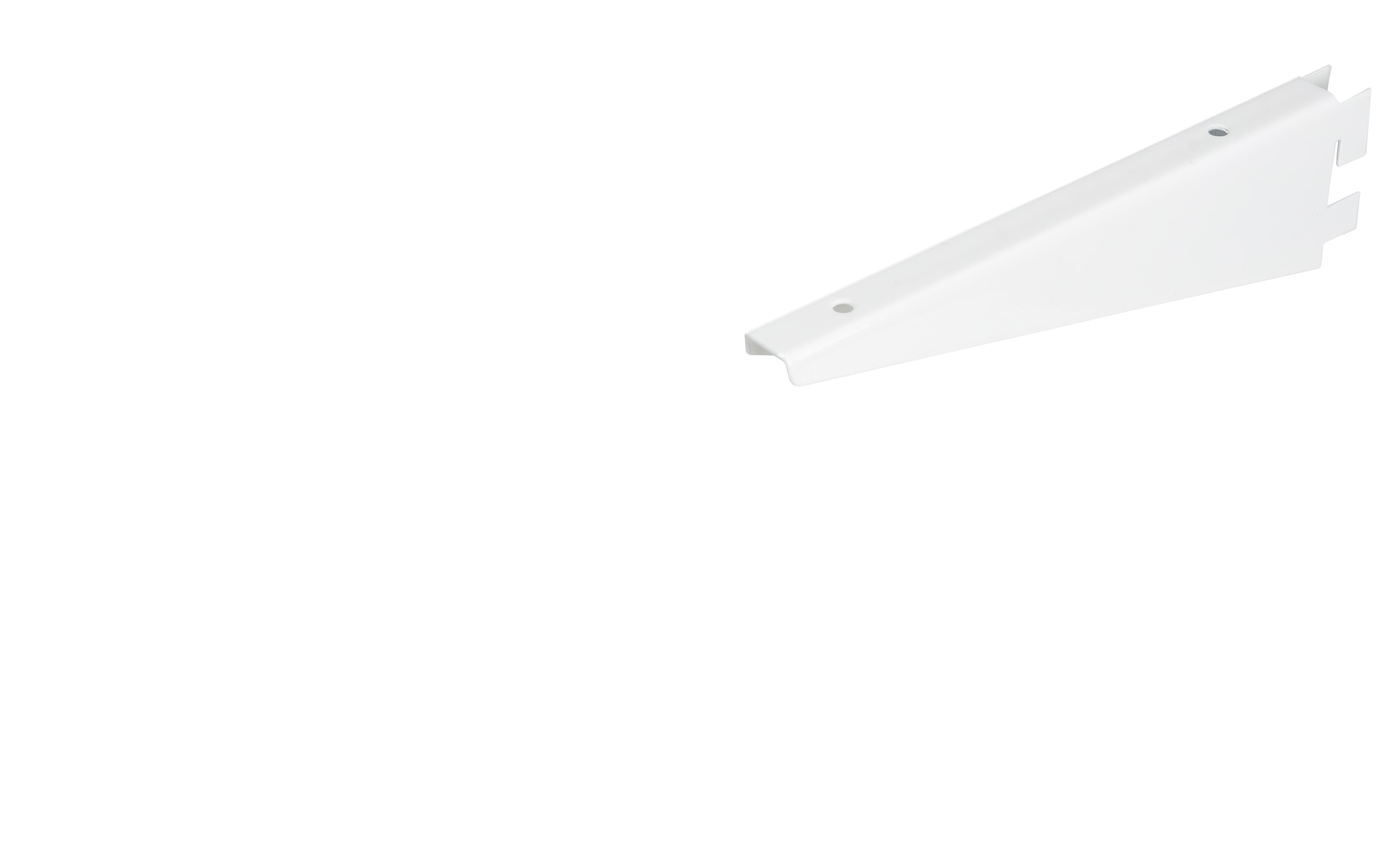
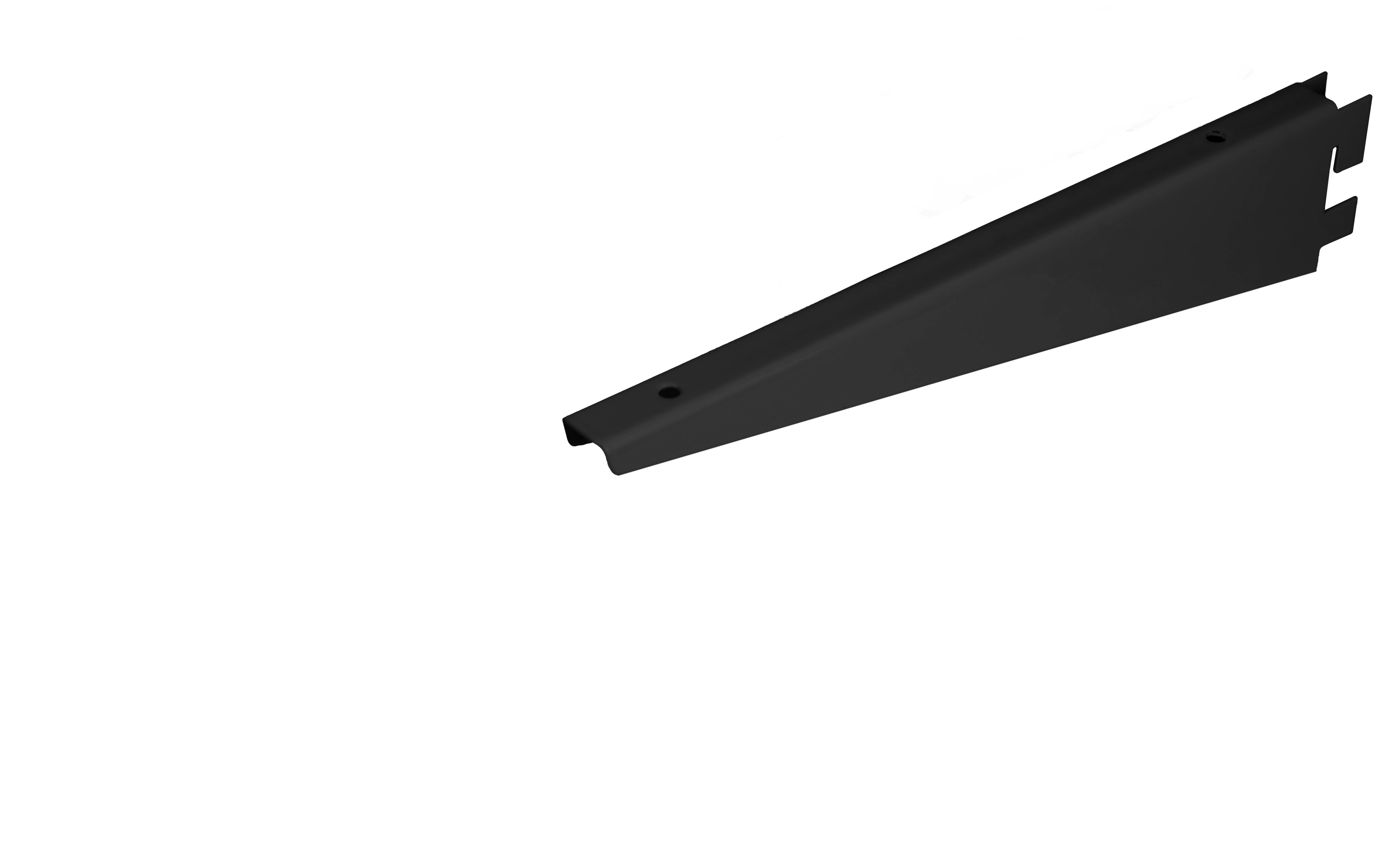
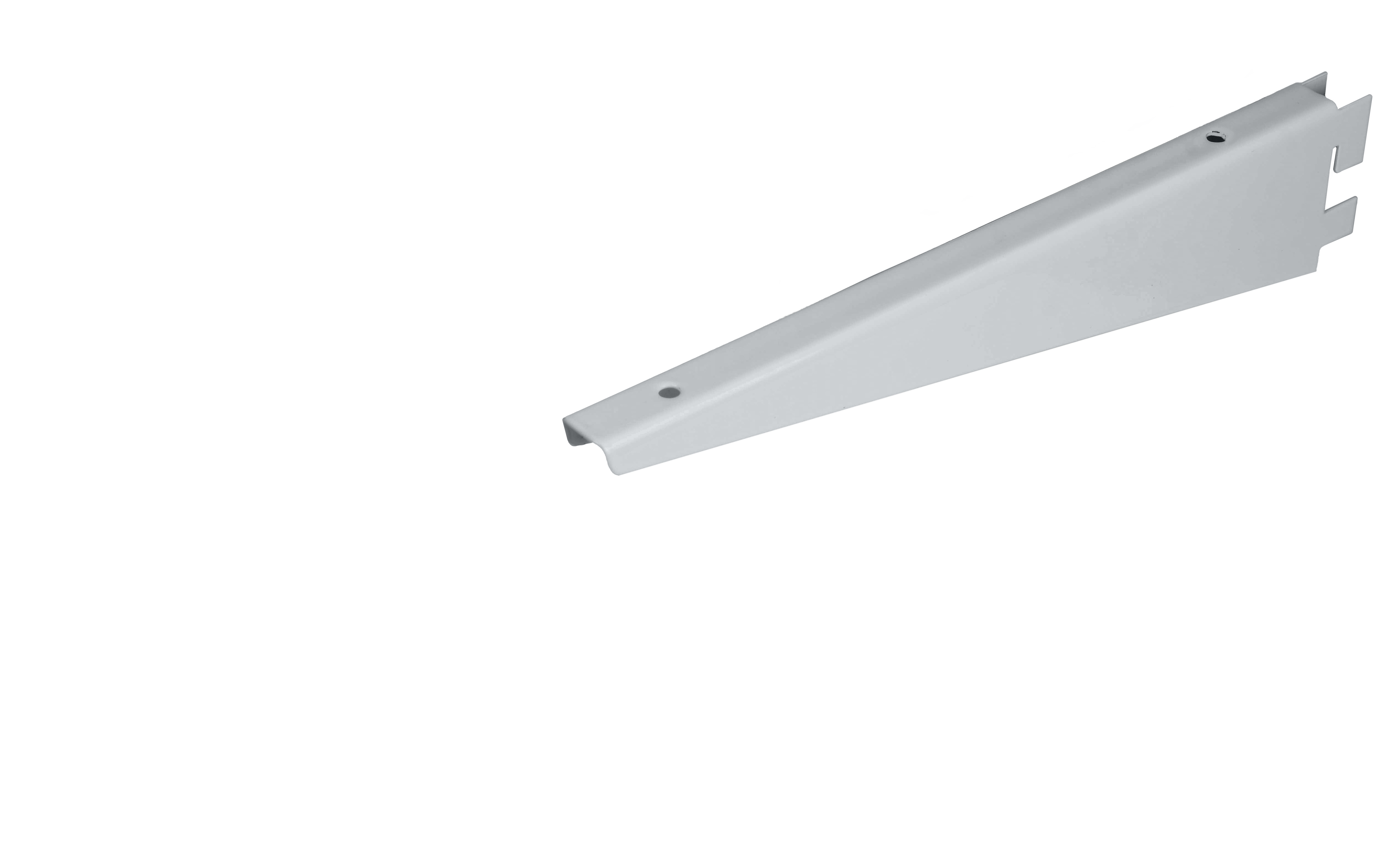
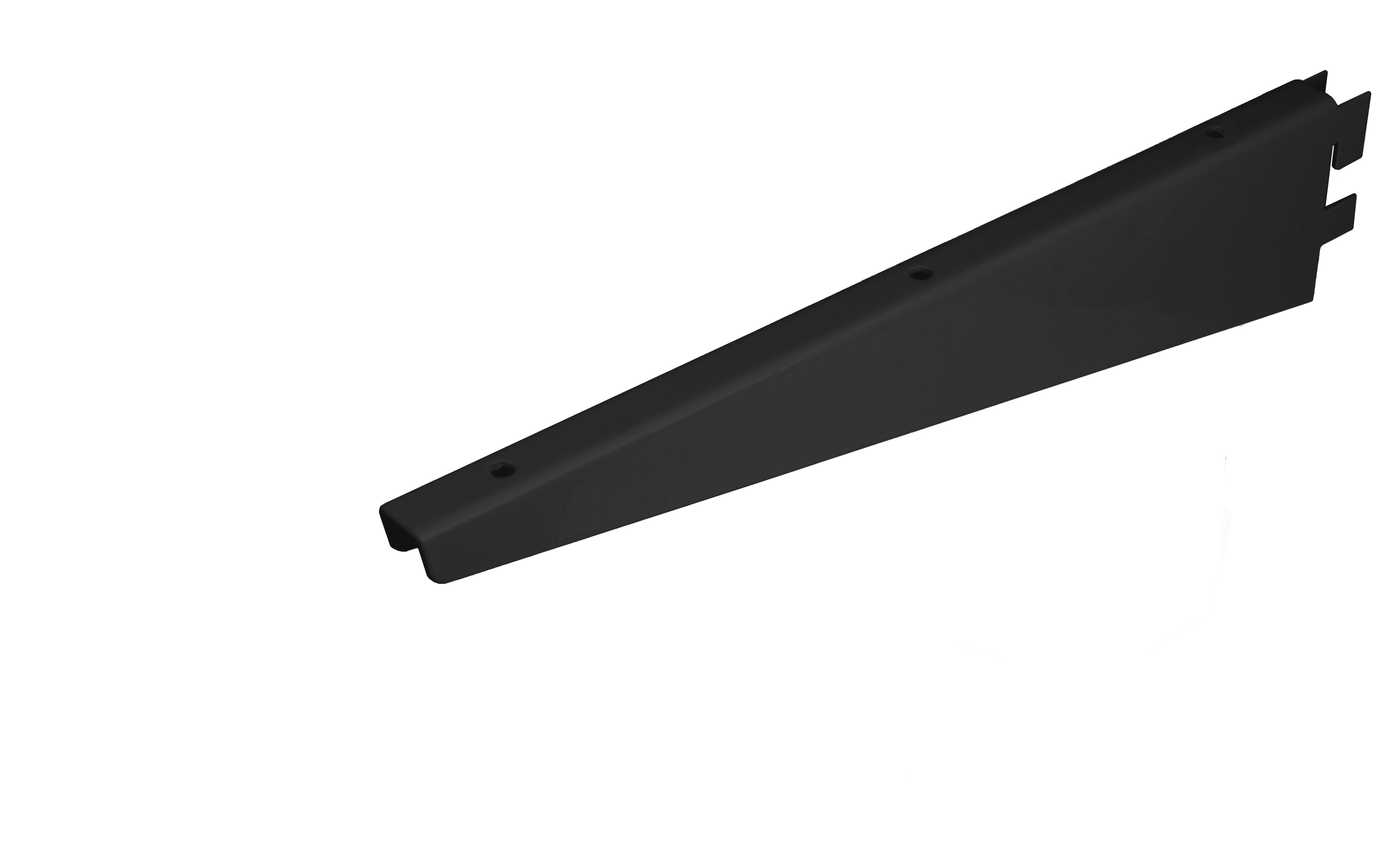
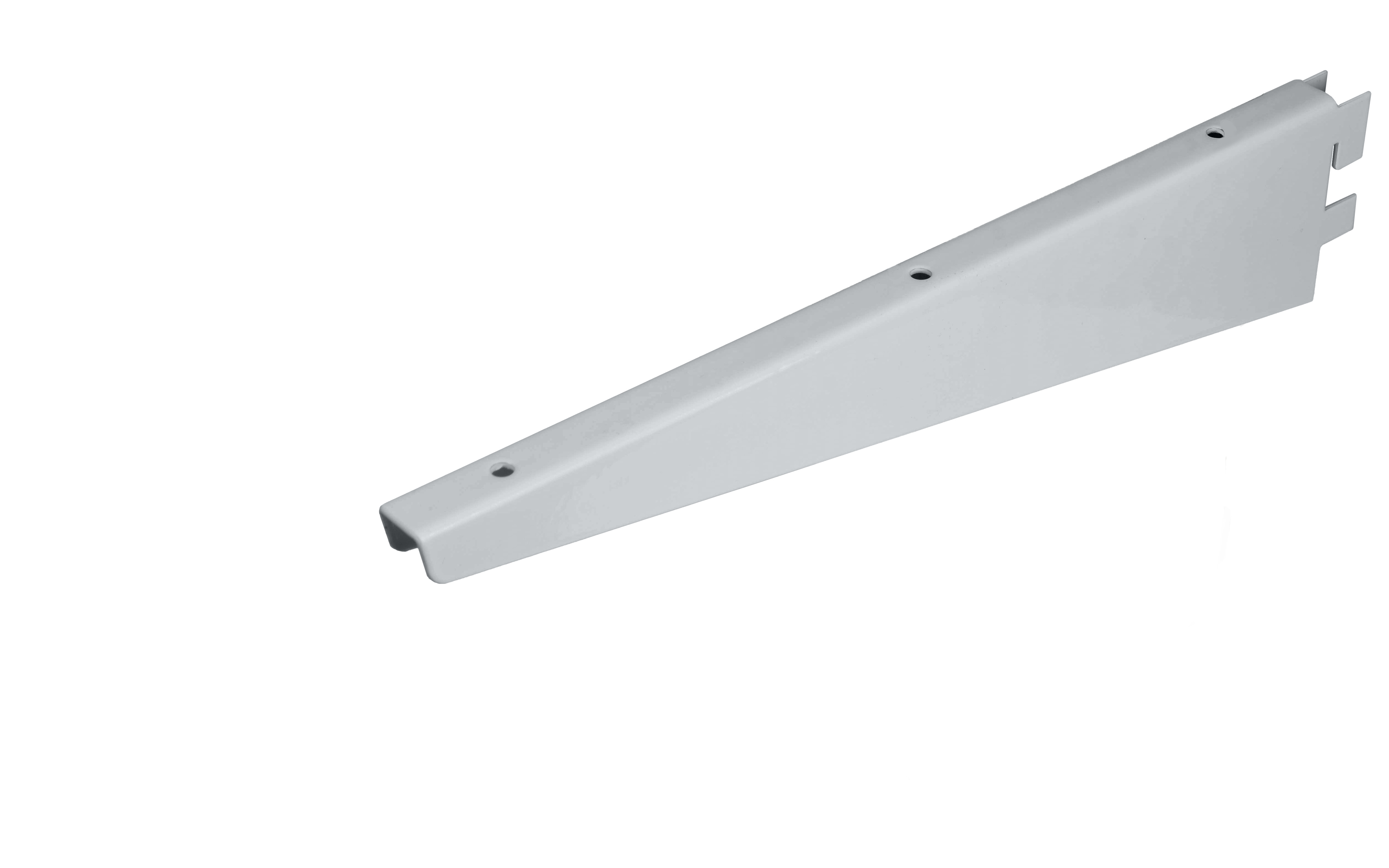
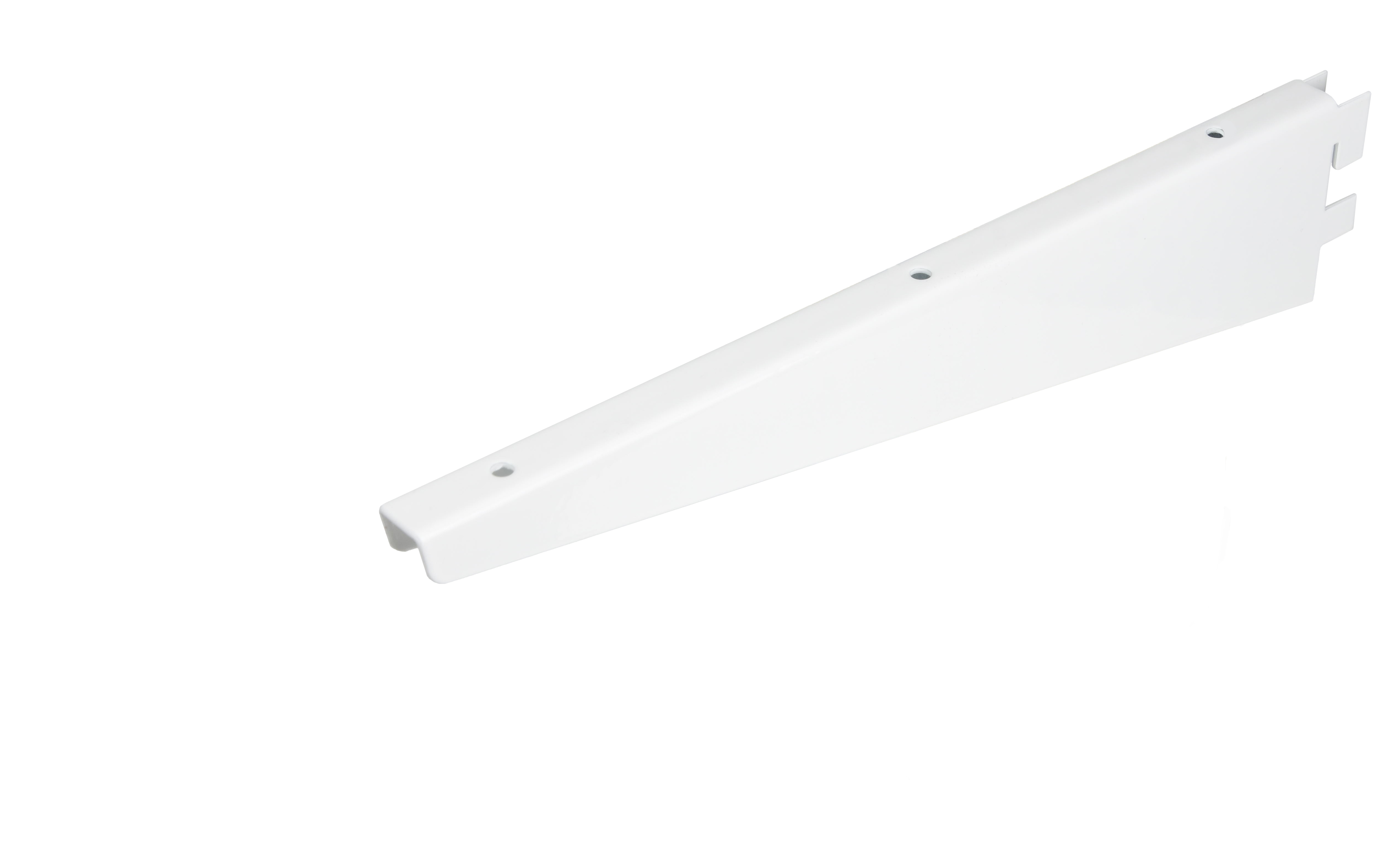
Shelf Brackets
You can still order products that are out of stock by filling out the "I'm Interested" form. We will deliver them as soon as possible.
Frequently Asked Questions

Accurate information is essential for high-quality execution, which is why we’re here to answer your questions.
What types of shelf brackets are there?
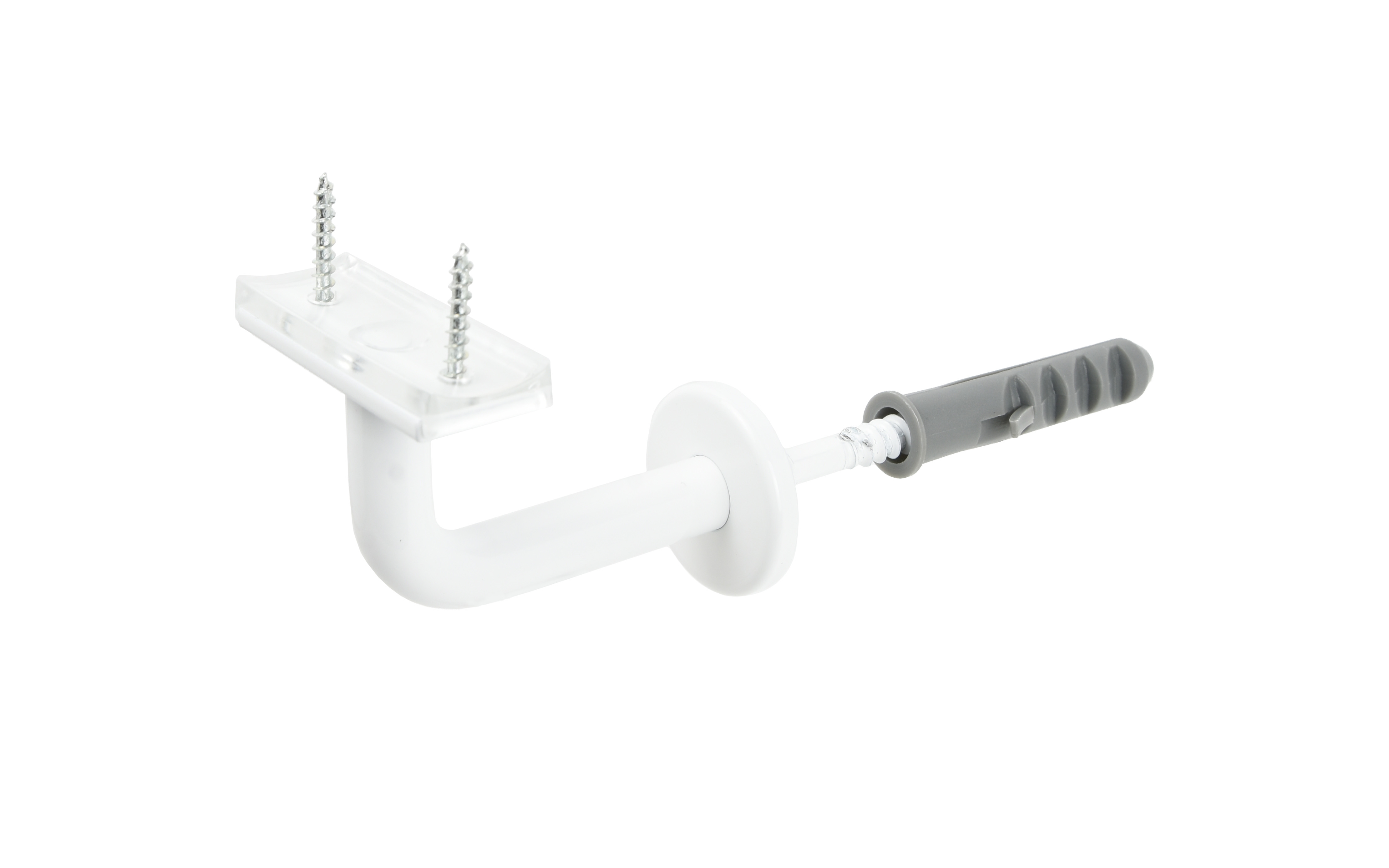
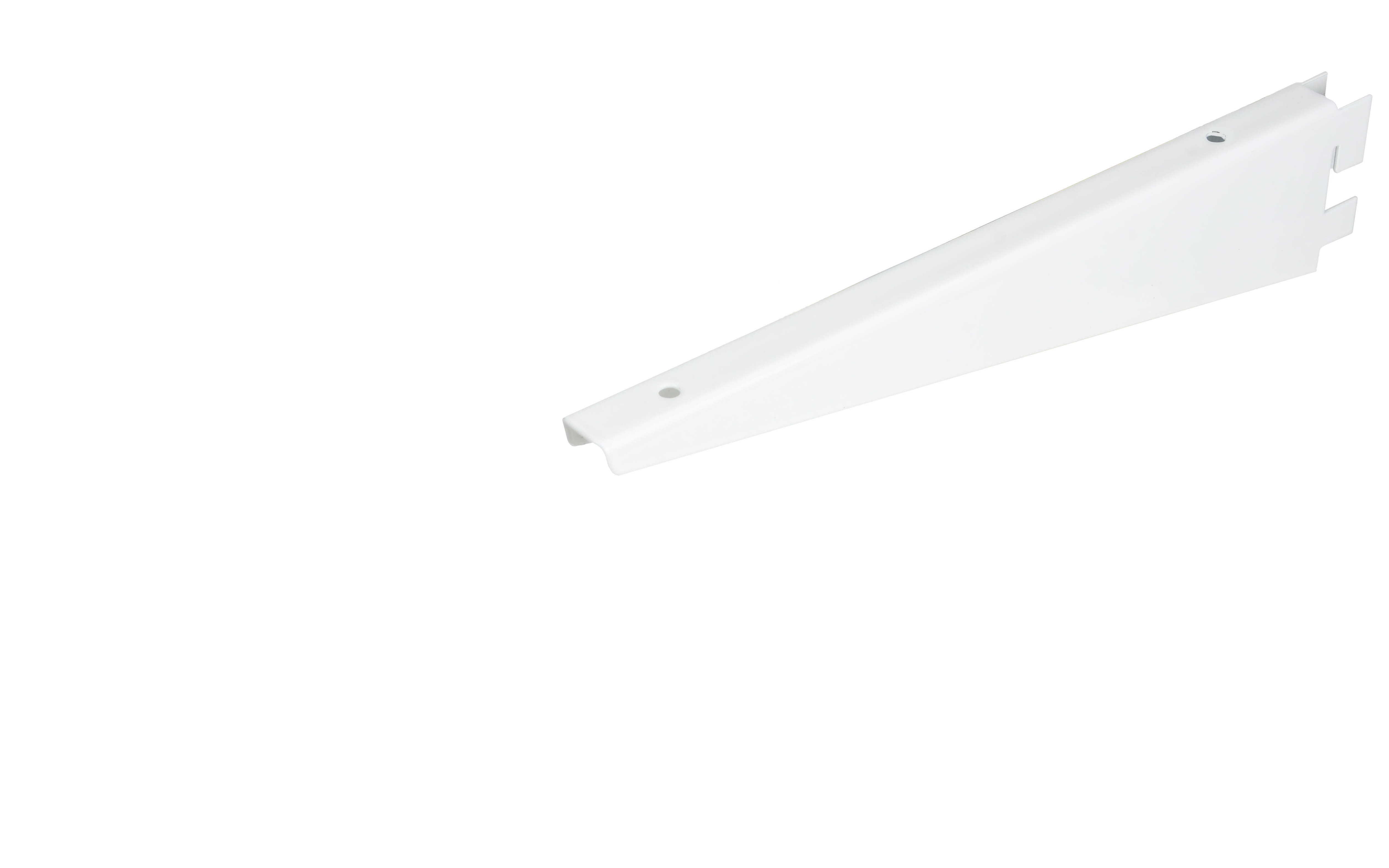
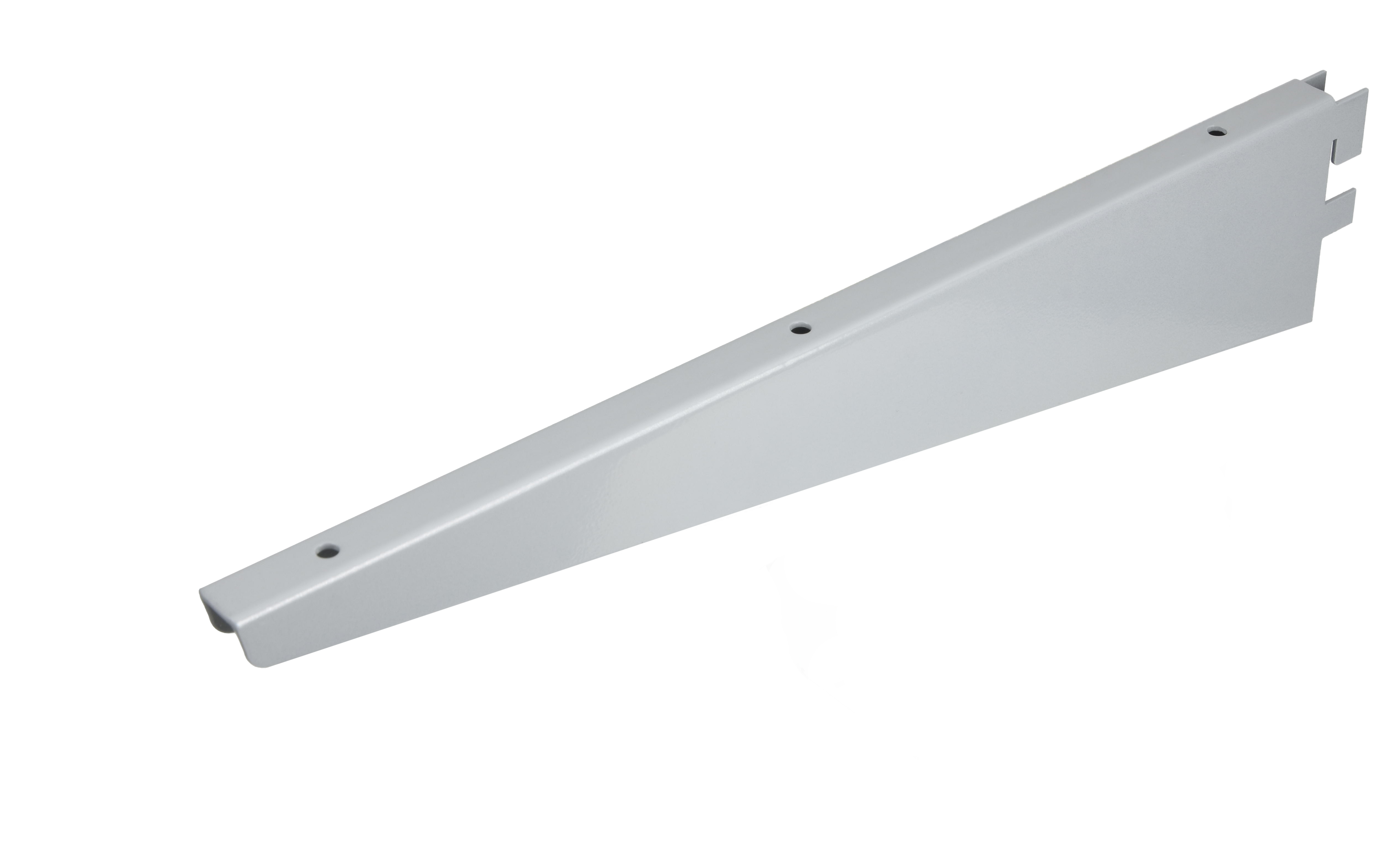
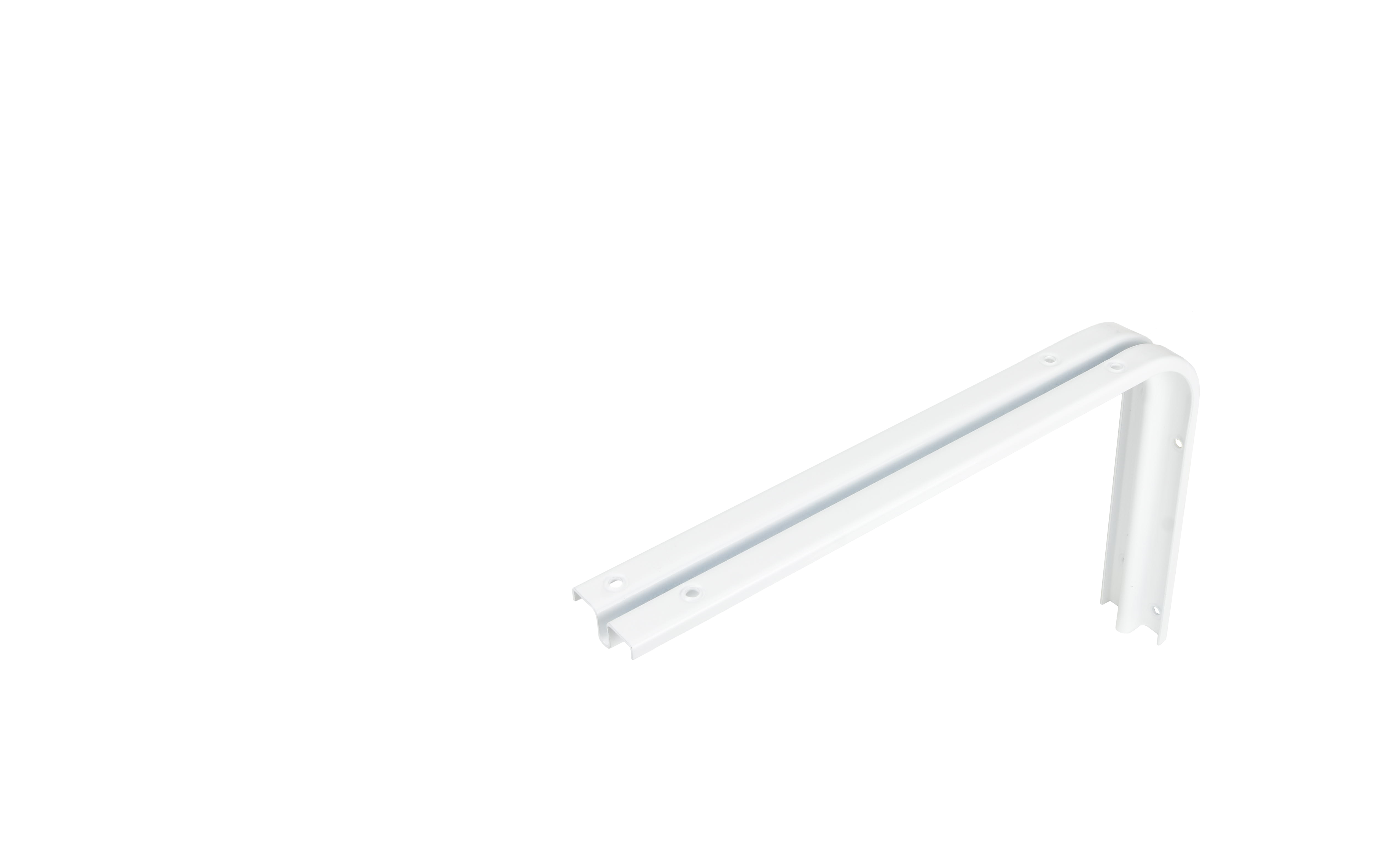
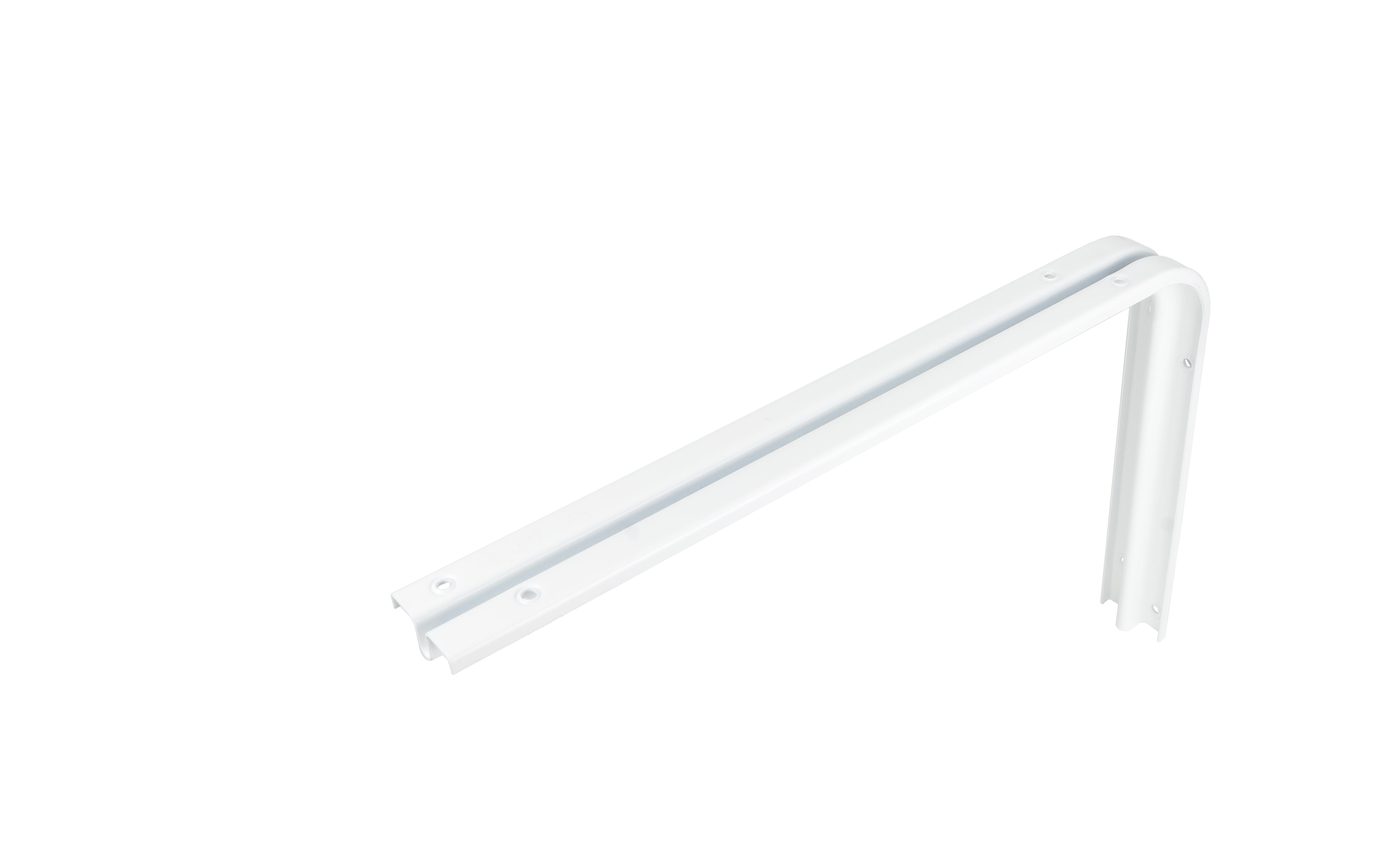
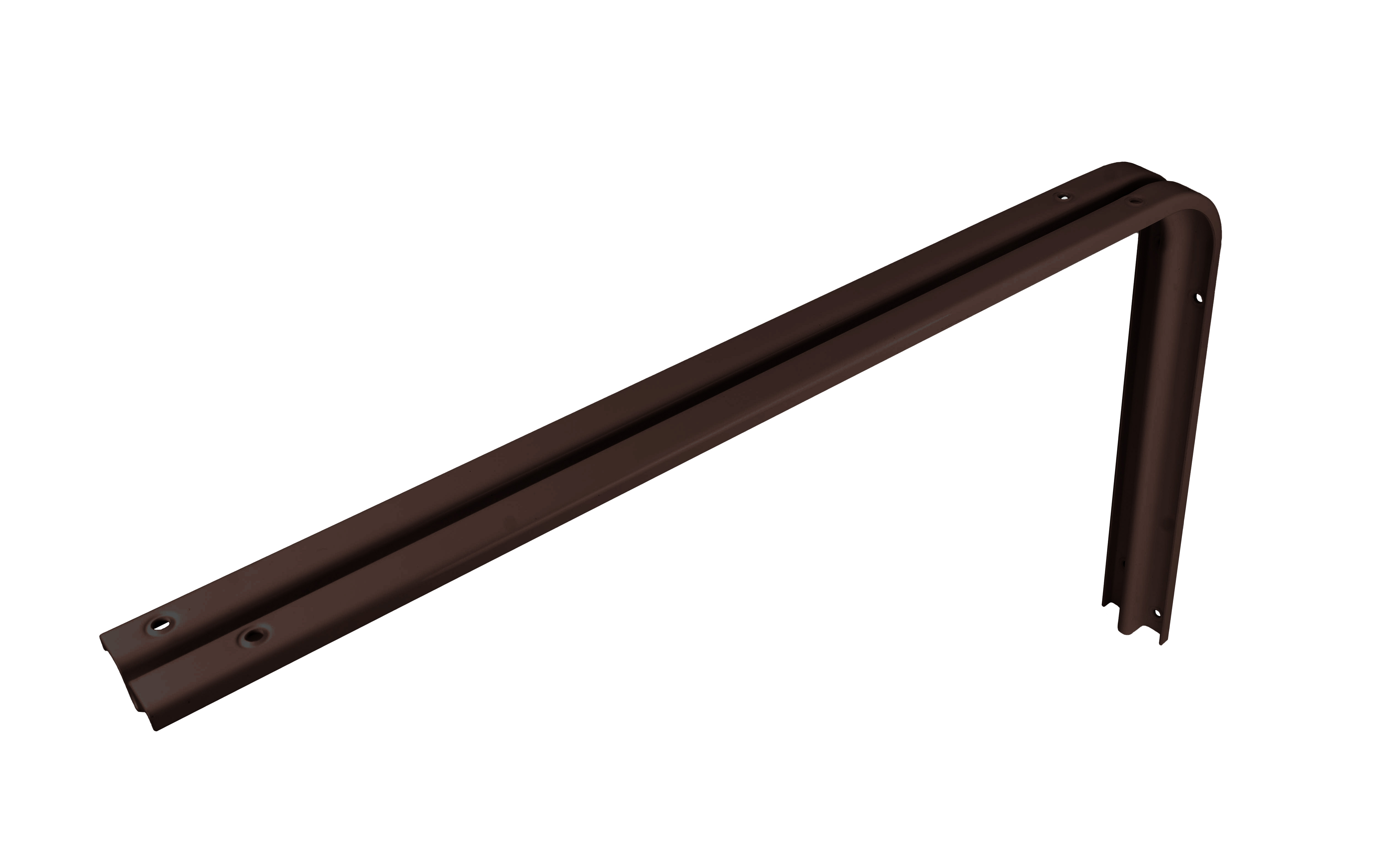
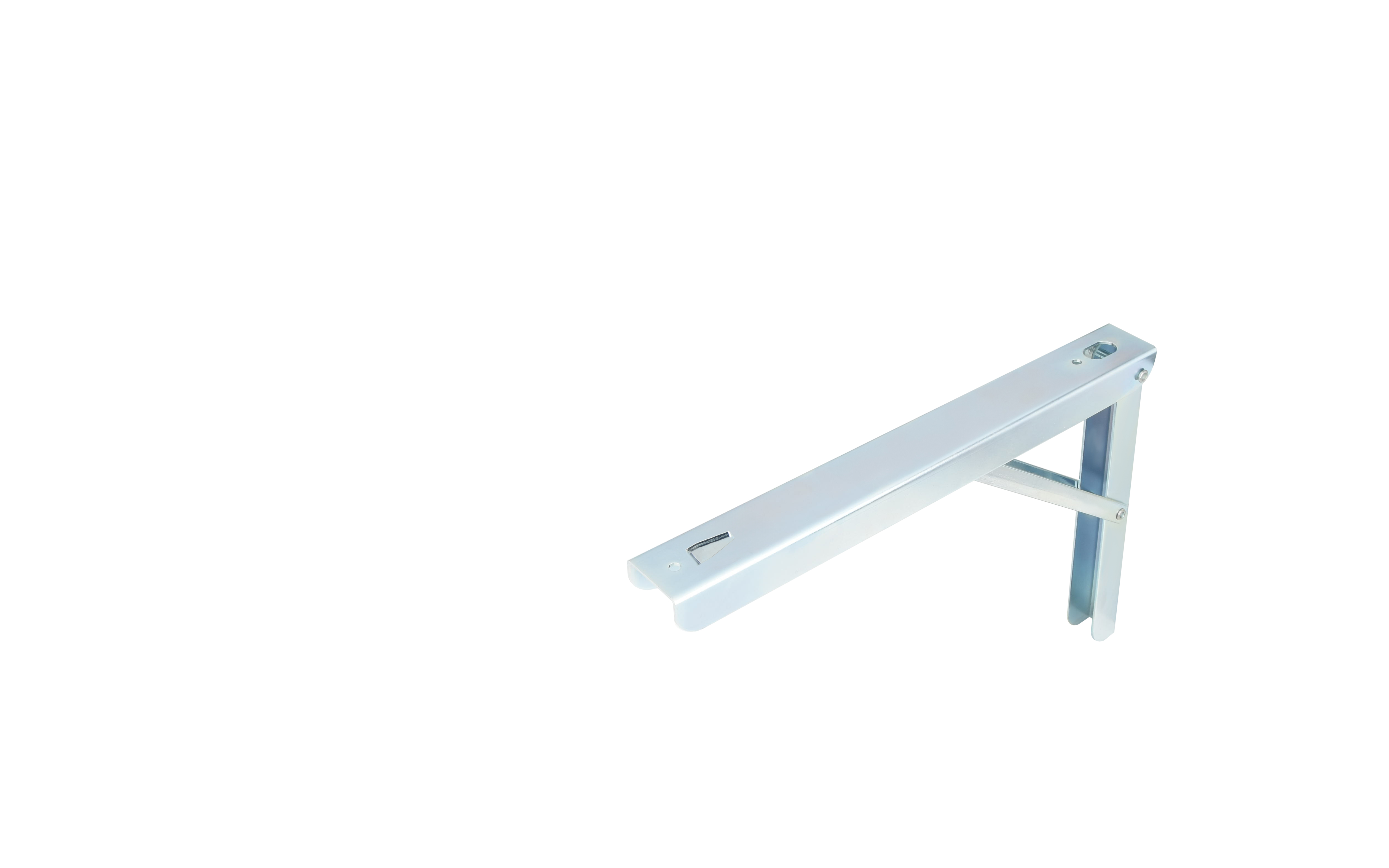
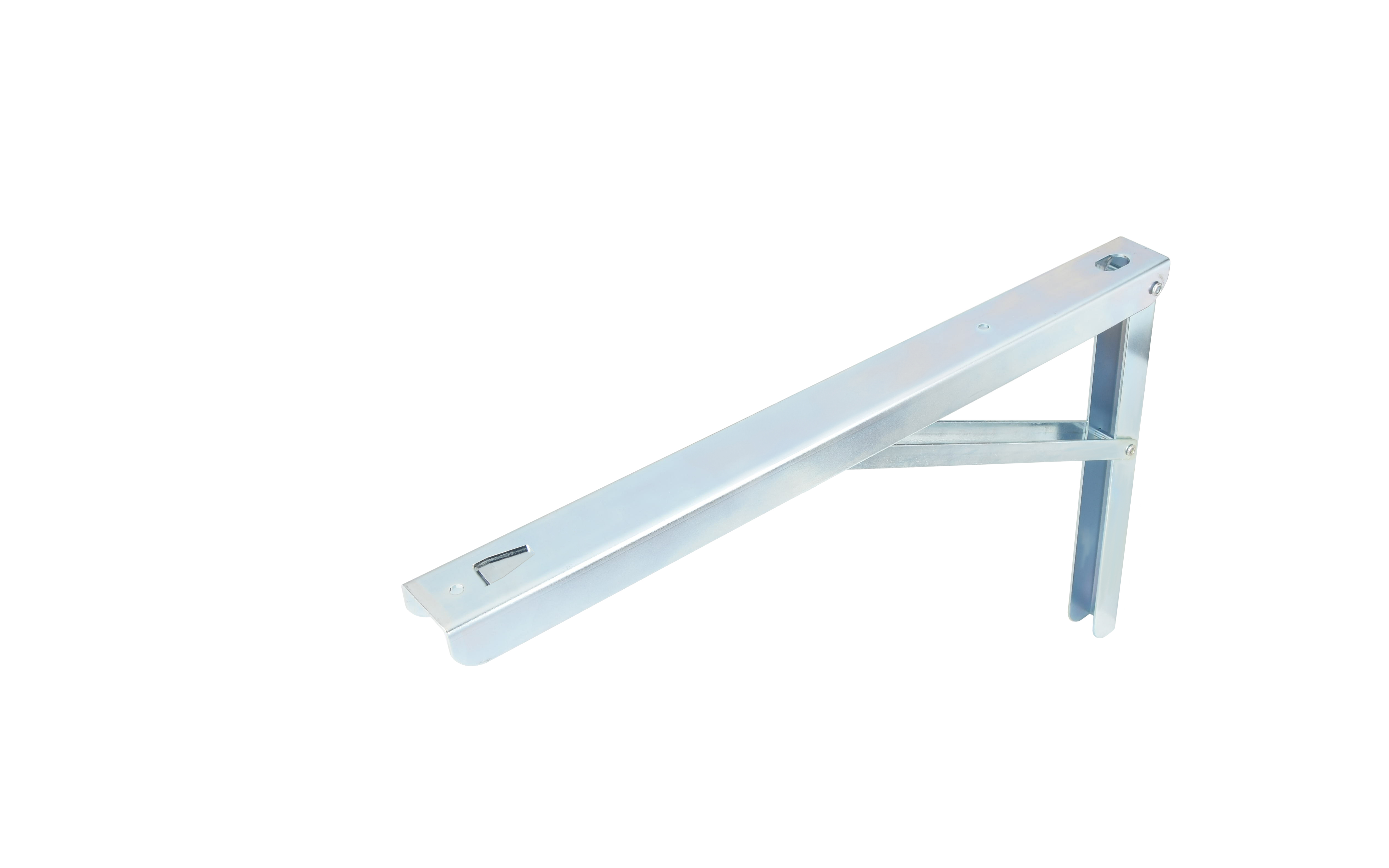
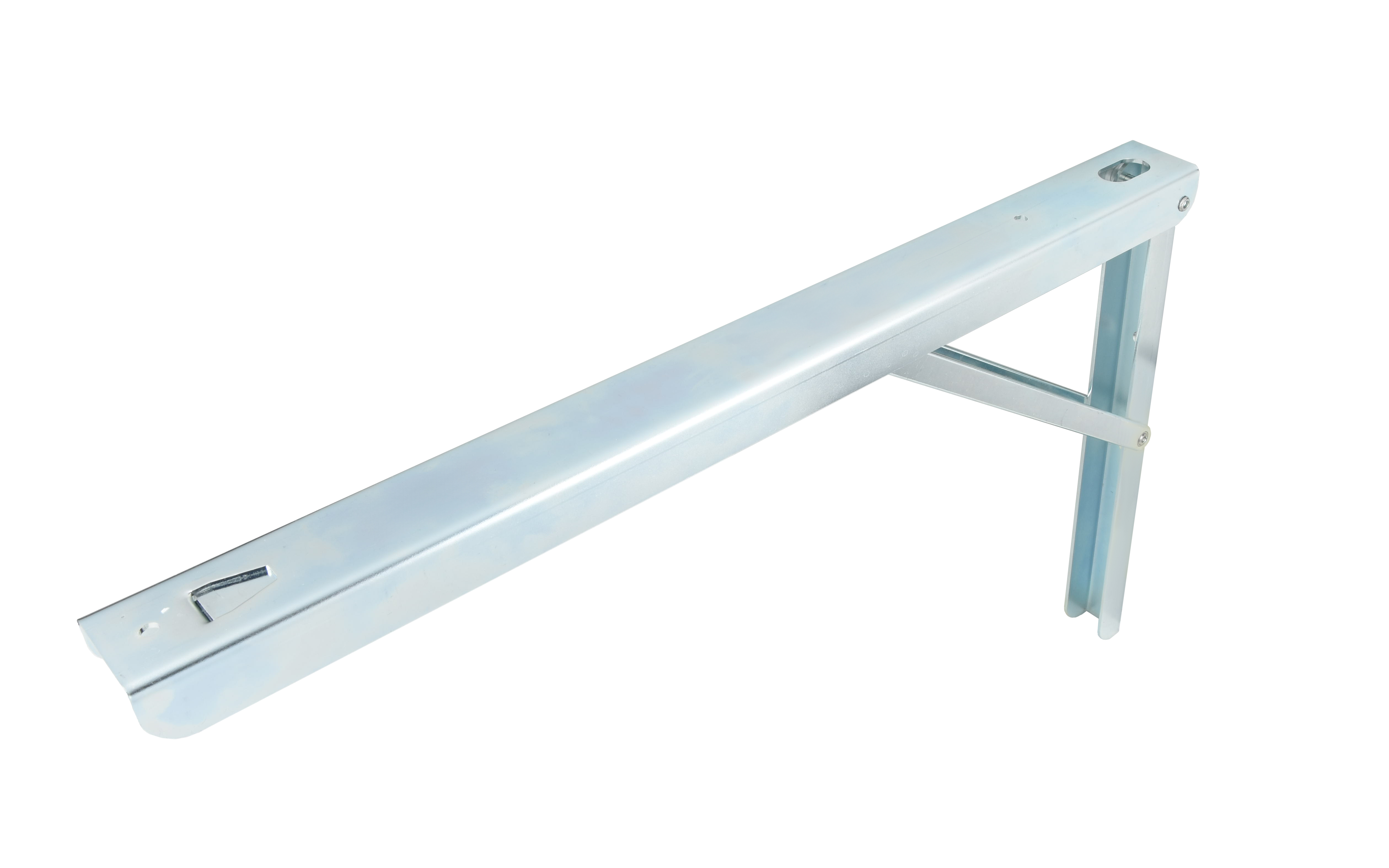
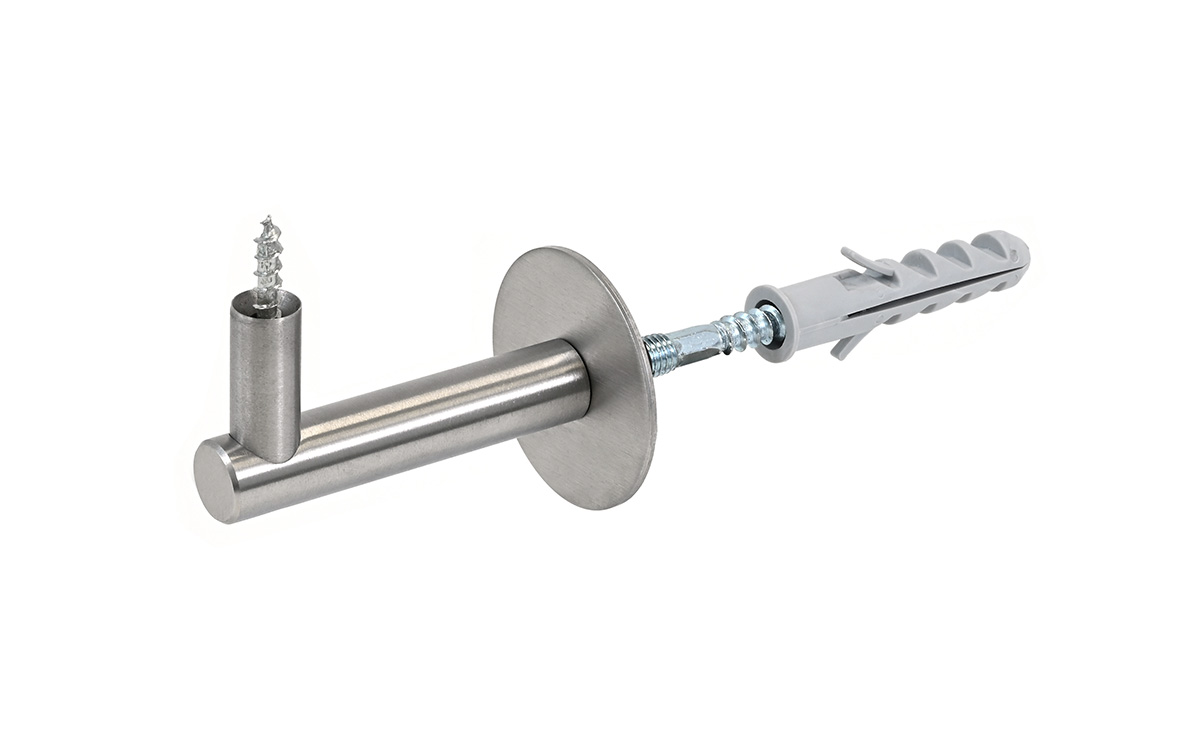
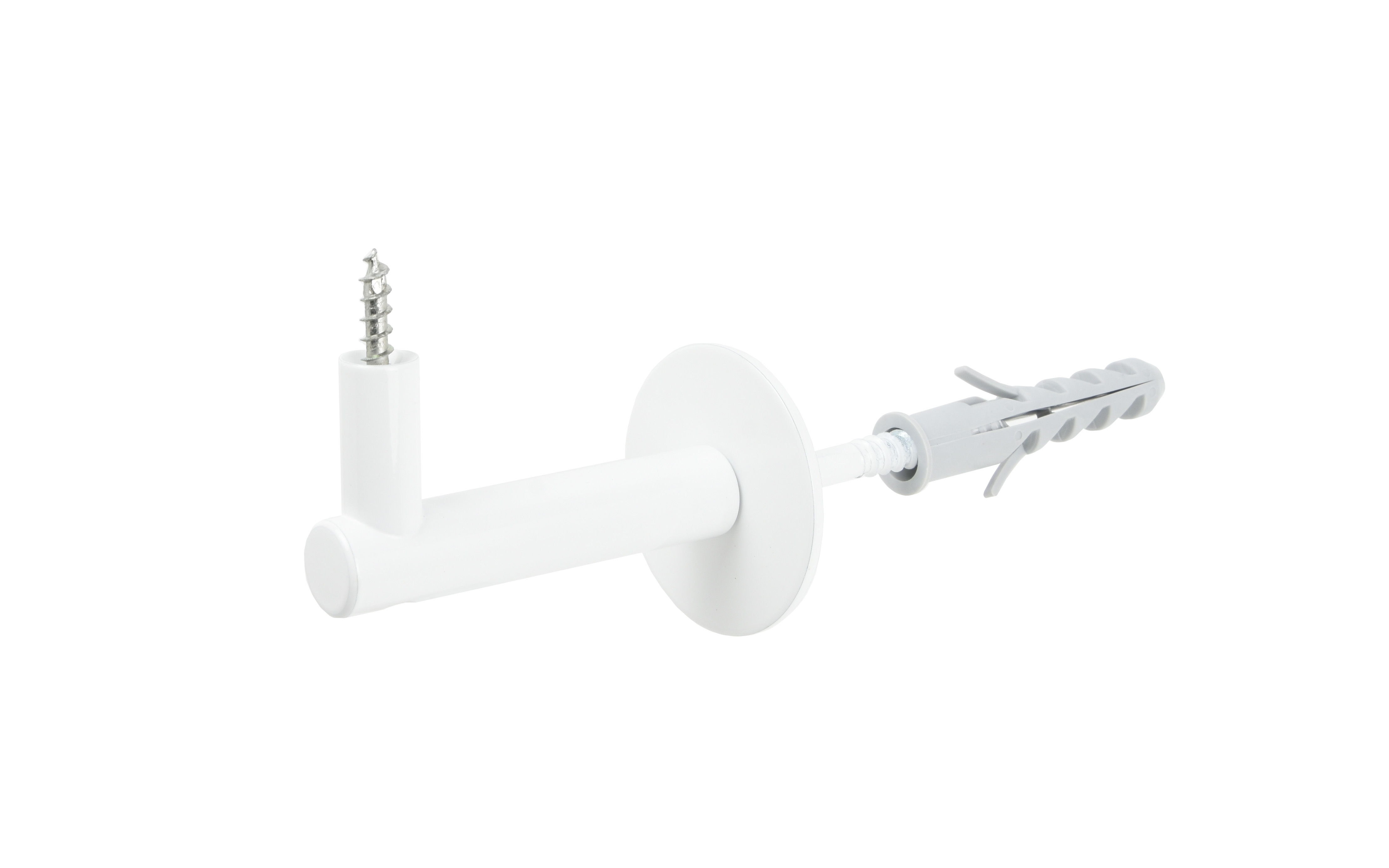
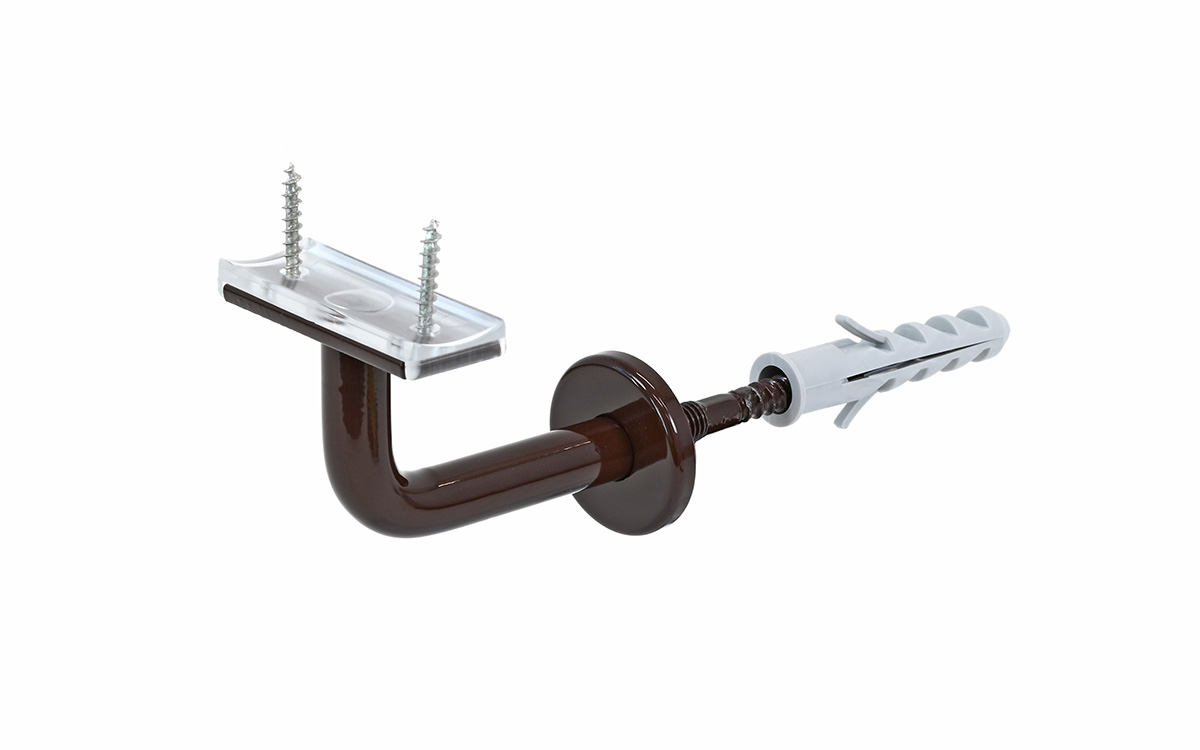
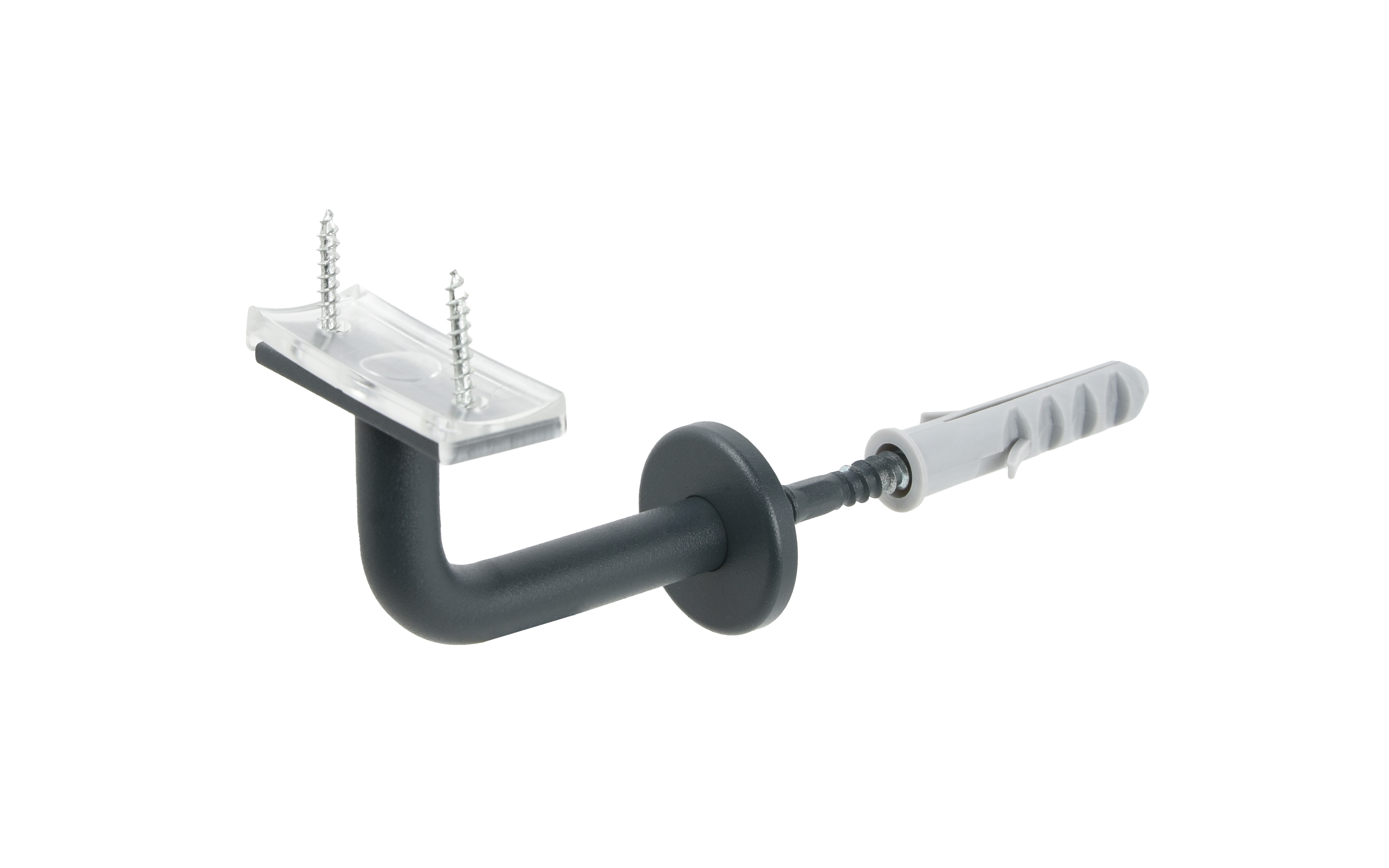
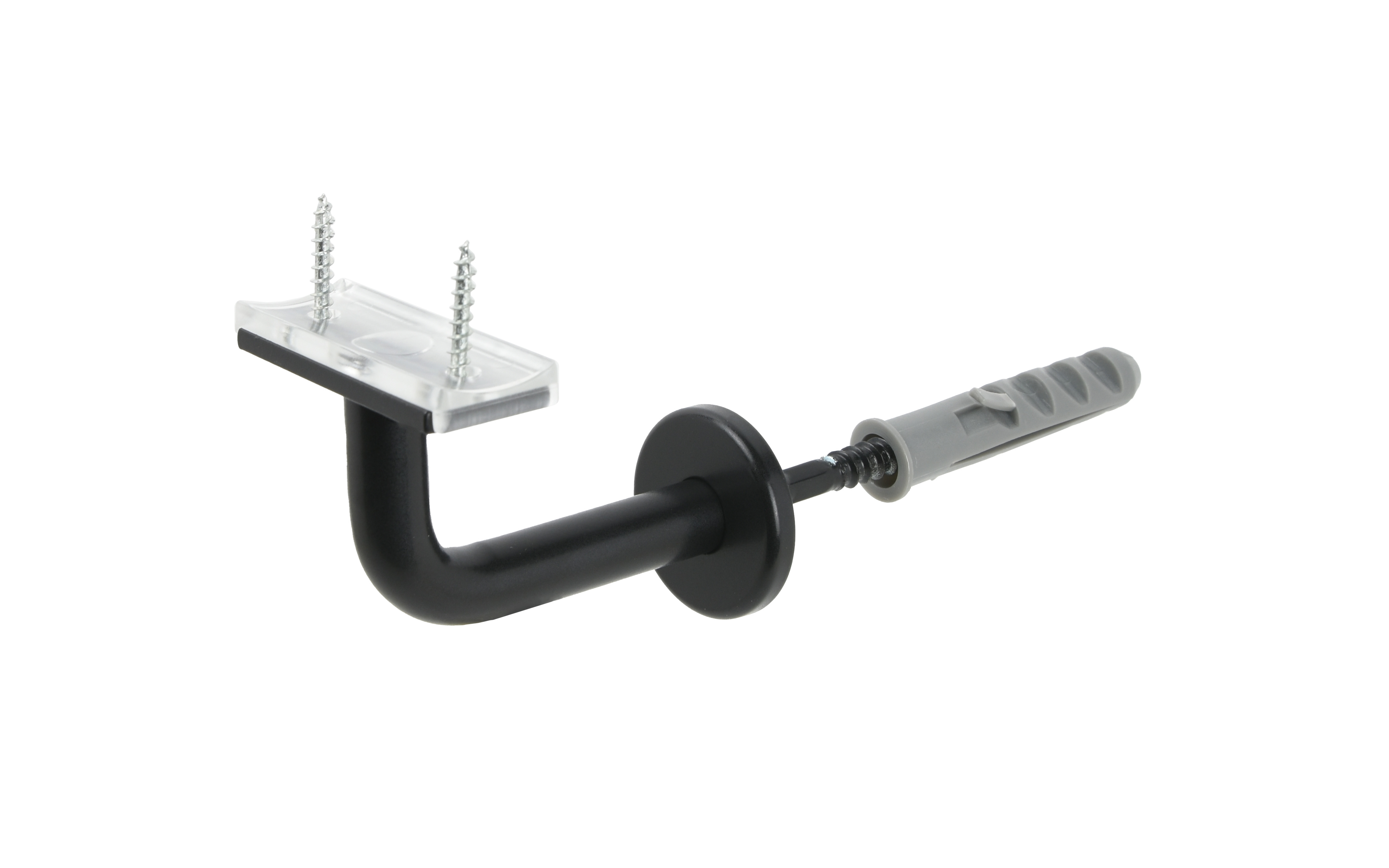
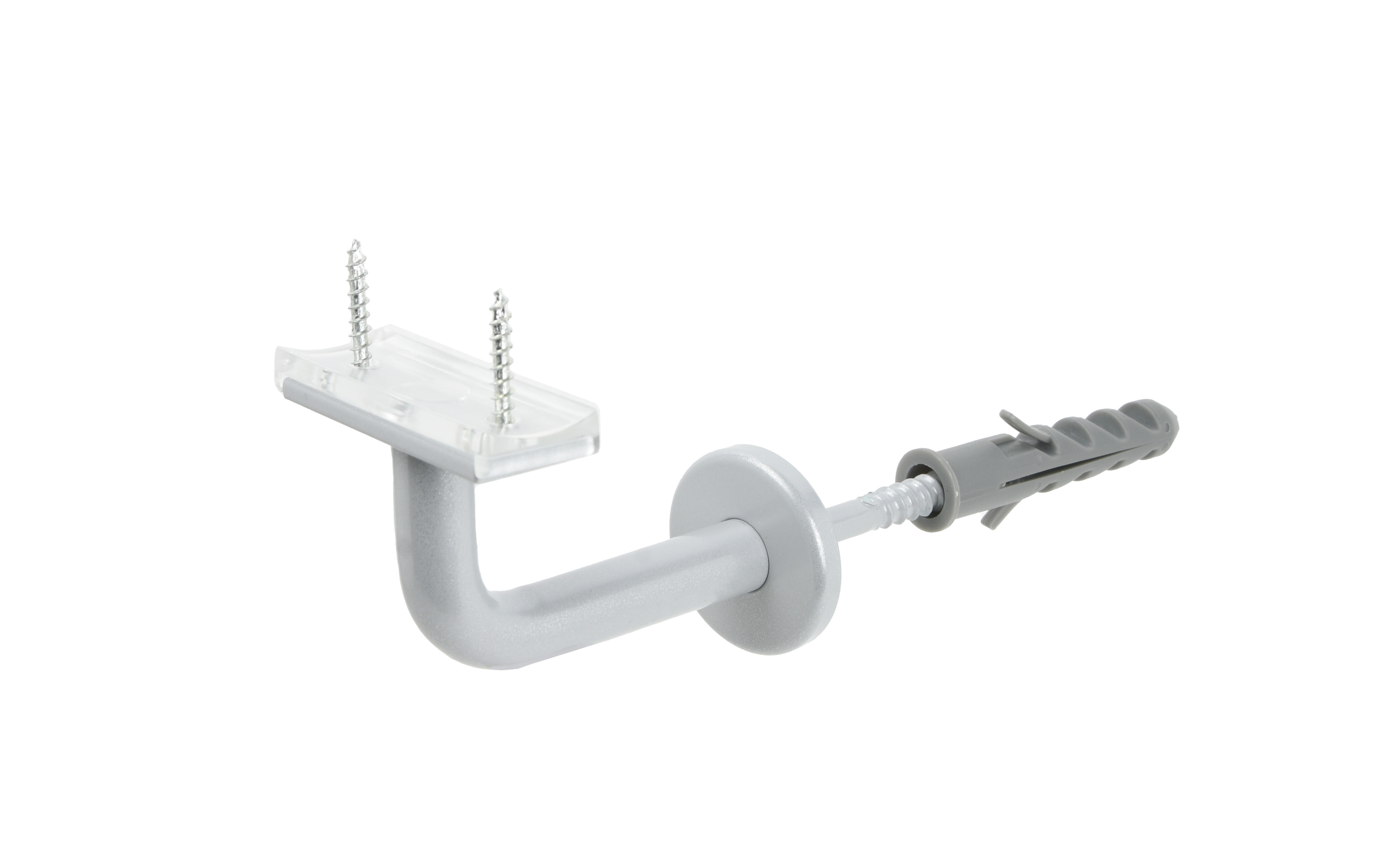
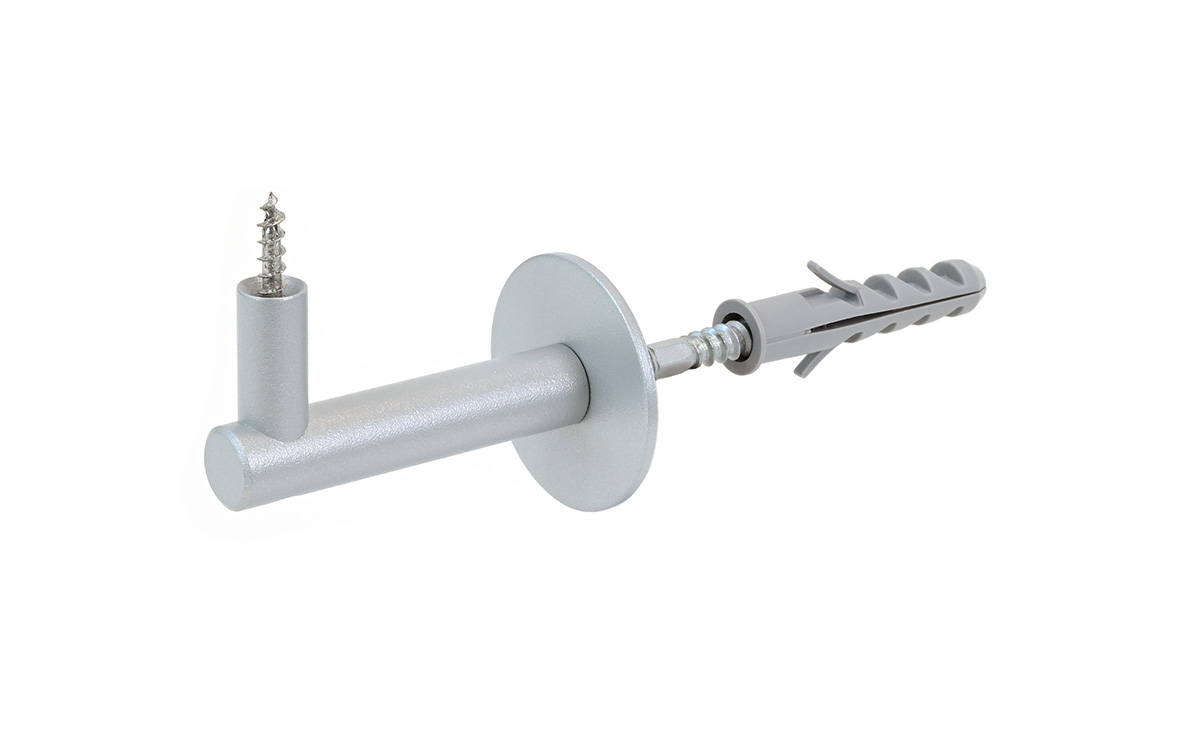
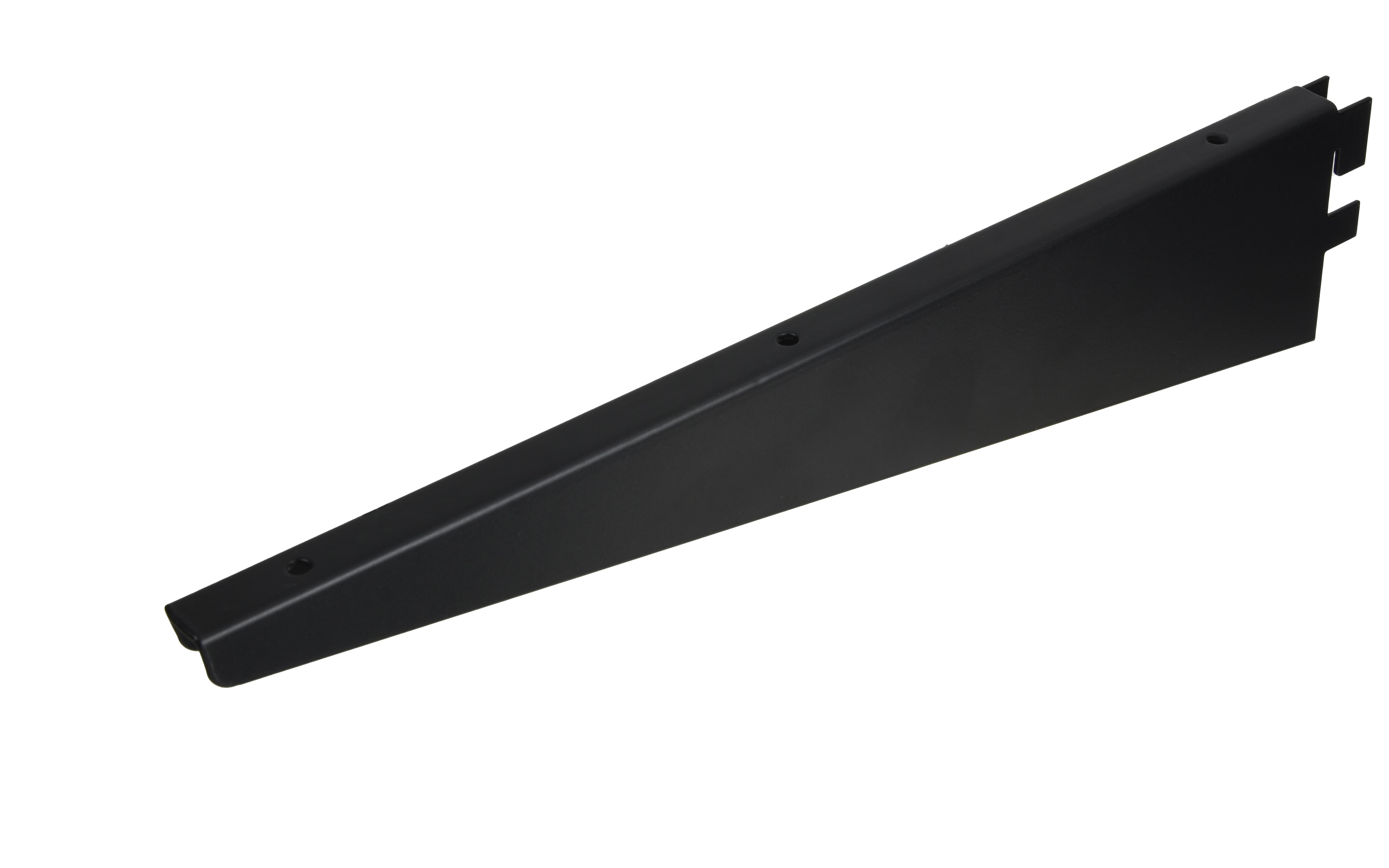
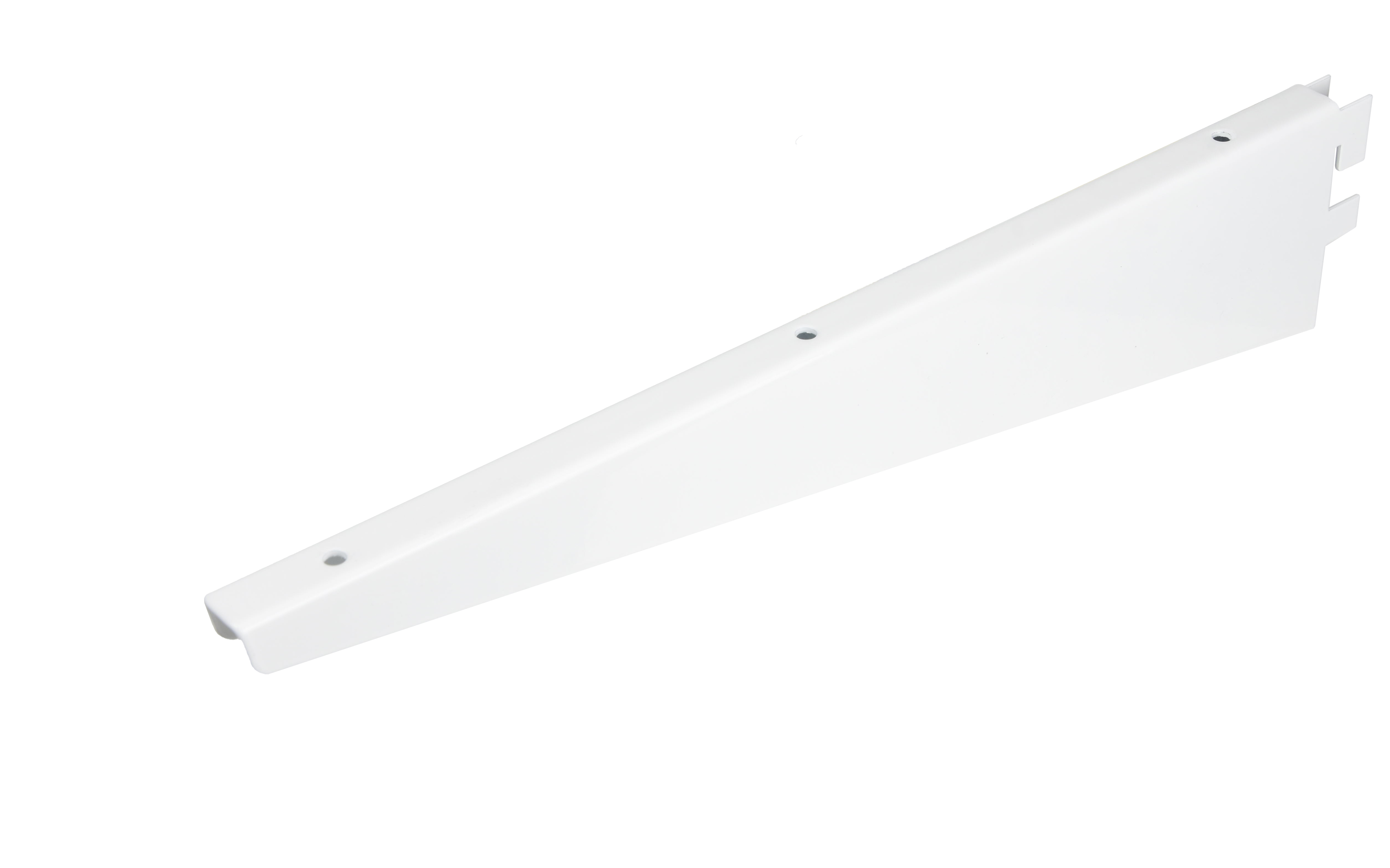
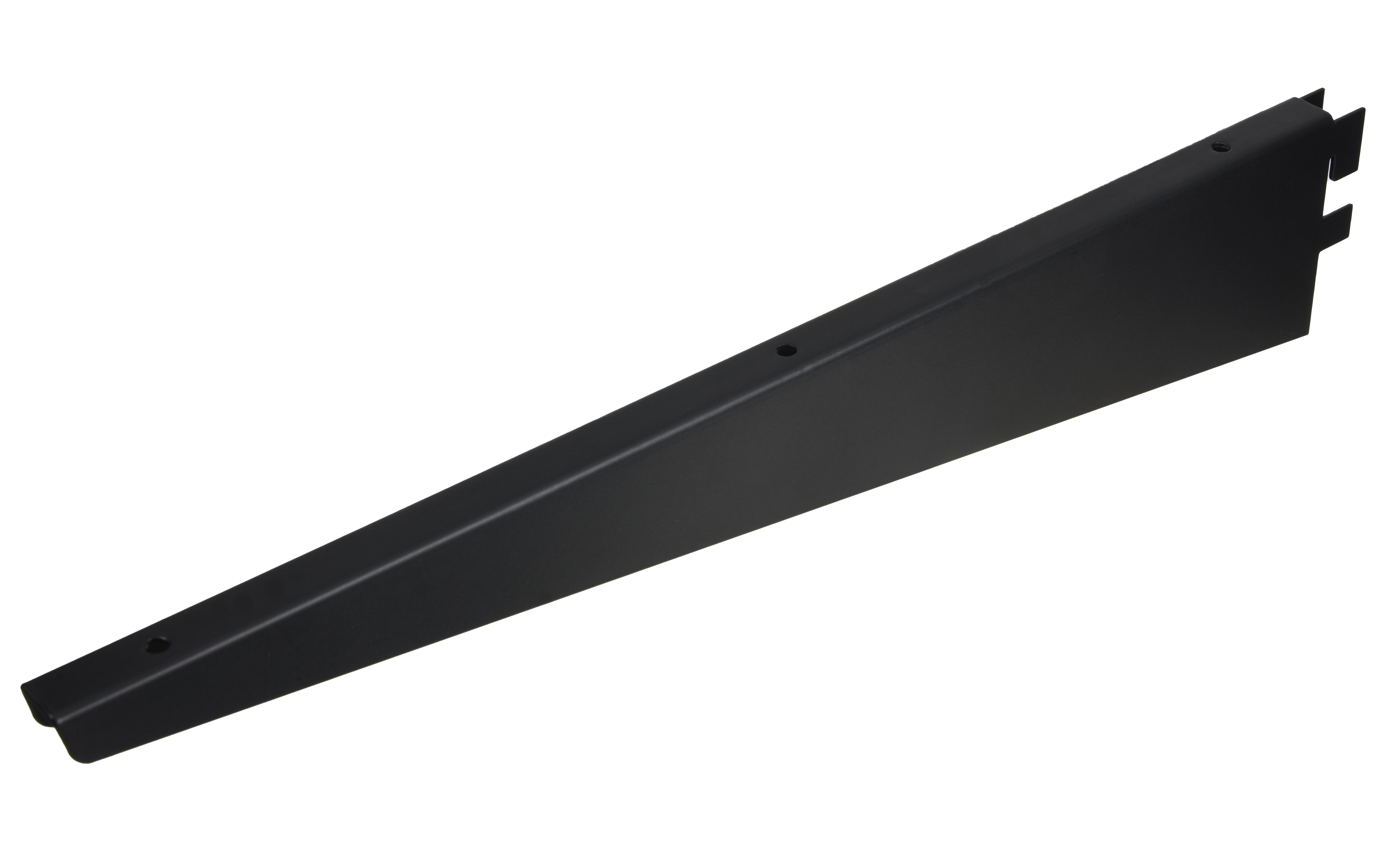
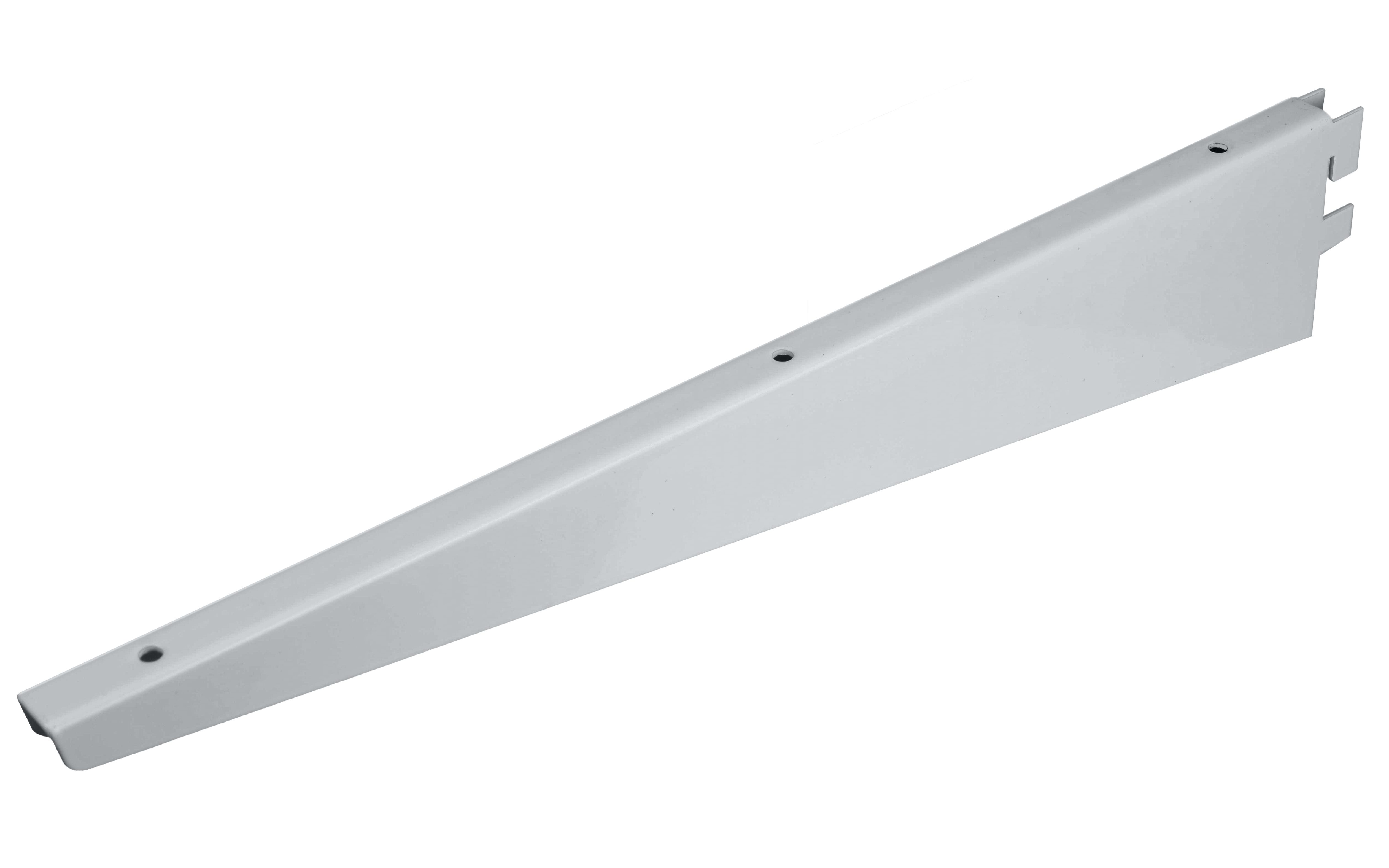
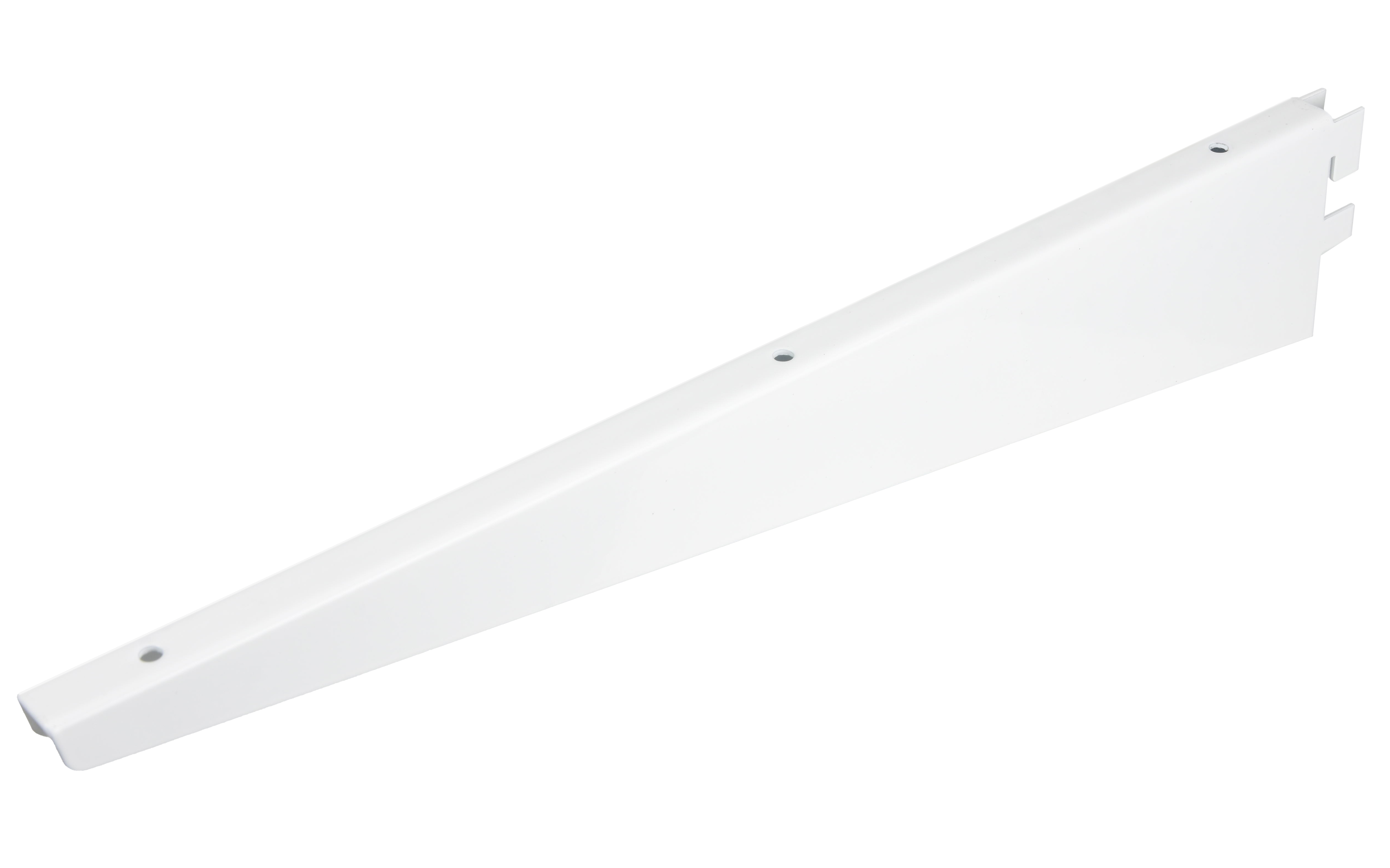
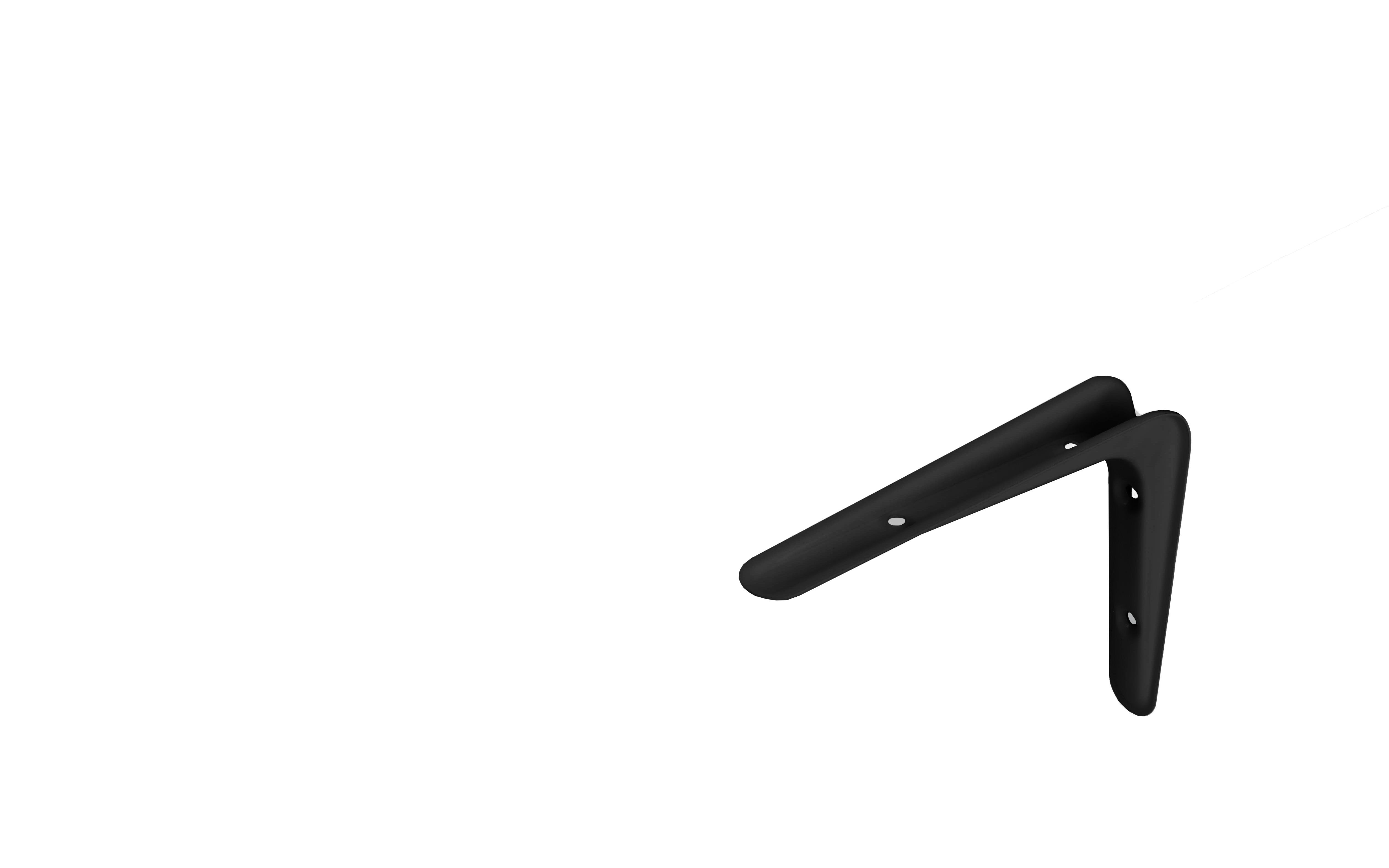
Shelf brackets come in various materials and designs to suit both functionality and the aesthetic of your space. The most common types of brackets include: angle brackets – simple and durable, suitable for basic shelf installation; heavy-duty brackets – designed to support heavier shelves or items; invisible brackets – hidden brackets that create a modern, minimalist look; lip brackets – feature a raised edge to prevent items from sliding off the shelf; folding brackets – allow you to fold the shelf down when not in use; adjustable brackets – enable height or tilt adjustment of the shelf.
How do I properly mount a shelf bracket to the wall?
Brackets should be aligned with the wall studs or wooden/metal profiles inside the wall (supports). It’s recommended to install the shelf at eye level and ensure the wall is strong enough to bear the load. Position the longest part of the bracket against the wall under the shelf and mark the holes for screws. Then remove the shelf and brackets, check your markings to confirm accuracy. Once satisfied, screw the brackets into the wall and slide the shelf into place.
Can I load the bracket to its maximum allowed weight?
It’s not advisable to load brackets to their absolute maximum capacity. For heavier loads, consider installing additional brackets. Load-bearing capacity also depends heavily on the quality of installation, the material of the mounting surface, and the correct choice of wall anchors and screws. Hollow drywall (plasterboard) walls will never support as much weight as solid concrete walls.
Do you have any questions?
Didn’t find the answer to your question? Please contact our support team, who will be happy to help you.
Contact us